Full Container Load
FCL planning across 20-foot, 40-foot, high-cube, open-top, flat-rack, and reefer equipment, with routing built around cargo profile, equipment availability, transit structure, and receiving-window requirements.
 Start a shipment
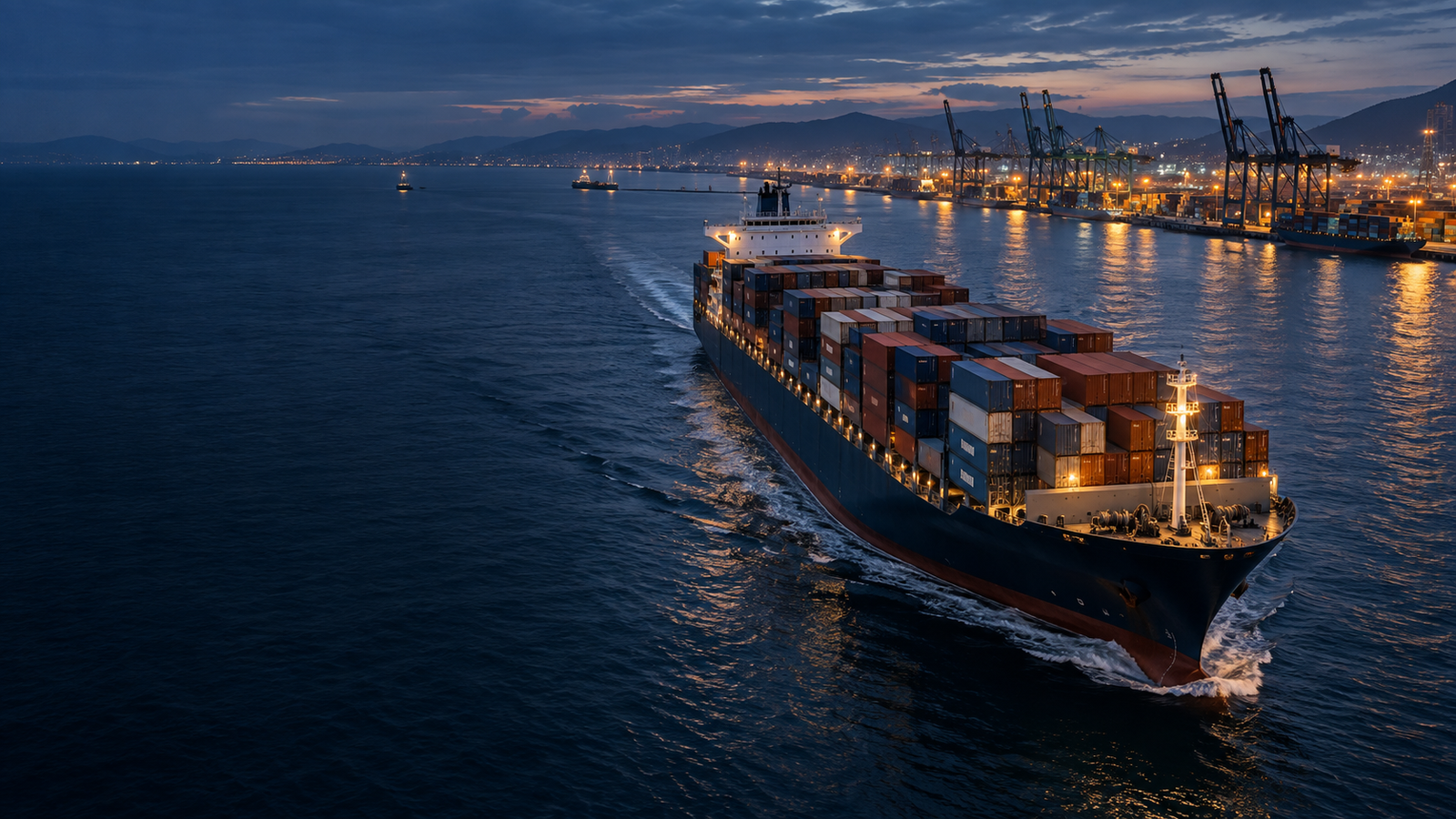
Structured ocean transport for standard, consolidated, out-of-gauge, and project cargo — aligned to sailing schedules, port constraints, documentation, and the realities of the complete door-to-door movement.
Ocean logistics, engineered
Ocean freight is a chain of cut-offs, capacity decisions, document flows, terminal events, and inland connections. PORTVIA coordinates these variables as one operating plan, from cargo readiness through final delivery.
FCL planning across 20-foot, 40-foot, high-cube, open-top, flat-rack, and reefer equipment, with routing built around cargo profile, equipment availability, transit structure, and receiving-window requirements.
LCL consolidation for shipments that do not require a full unit. We align origin handling, consolidation cut-off, deconsolidation, and destination release so smaller consignments move with a clear operational timeline.
Mode and vessel selection for cargo moving outside standard container geometry, including roll-on/roll-off units and conventional breakbulk requiring terminal-specific lifting, securing, and handling plans.
Coordinated routing for heavy, long, wide, or high cargo using flat-rack, open-top, platform, or charter-oriented solutions, supported by equipment studies, interface planning, and multi-stage execution.
A competitive ocean rate is only one component of a viable shipment. We manage the operational details that protect the routing: reliable cut-offs, document readiness, realistic connection time, and aligned inland capacity.
Direct and transshipment options assessed against transit time, schedule integrity, port pairing, and total landed movement.
Equipment release, empty pickup, stuffing, verified gross mass, terminal delivery, discharge, and empty return coordinated as one cycle.
Shipping instructions, bill-of-lading data, commercial records, and destination requirements aligned before critical carrier deadlines.
Operational response to rolled bookings, port congestion, schedule change, customs hold, or connection disruption with the next decision made visible.
Free-time constraints, demurrage, detention, storage, and avoidable accessorials considered during the transport plan — not after arrival.
Pre-carriage and on-carriage aligned with the vessel schedule so the first and last mile remain part of the same accountable movement.
What shapes the routing